In 2014 my buddy John and I ran a one-off electronic music production competition starring five Bay Area contestants we had never met. The idea was to develop it into a pilot and pitch it as a limited reality series. Competitive research turned up one thing in the neighborhood — a DJ competition Simon Cowell had announced in 2012, which never made it to air. Nobody was building a show around production itself.
The contestants came through an open call on a website I built myself, in PHP, badly. We filmed the competition at my school auditorium with a crew of volunteers who shared our vision.
The grand prize for the competition? Two hundred dollars, cash, in a CD case I'd printed our logo onto. Despite the lengths to which I went to secure half my month's rent in cash and printer ink to arrange this prize at zero hour, it turned out that none of them had come for it. By the end of the day I understood that was a problem — not for them, for me.
The show was called BEAT, and it was born out of a time where John and I spent considerable time consuming electronic music and going to shows around SF. For computer music fans, the early 2010s comprised this glorious modernization of just about every electronic genre as computing power caught up with ambitious music software developers, and the underground was just as quickly finding clever ways of pirating the most coveted production tools as quickly as patched versions could be released. The result was this digital democratization of electronic music production, where anyone with a laptop could have more firepower than any $100k studio packed with vintage gear. This yielded more amazing music than one person could consume in a lifetime, alongside a solid contingent of hopefuls looking to make their EDC stage debut, and all the corporate attempts at cultural monetization that came with it.
Our idea was to level the playing field with a competition docu-series about electronic music production — not DJs, which was the thing everyone else was chasing at the time, but the people toiling in their bedrooms at two in the morning. We imagined American Idol stakes crossed with Chopped game mechanics. A hero's journey with enough creative constraints to make it entertaining to watch over someone's shoulder as they clicked around a laptop screen. We dialed the format, built the submission site, and waited with fingers crossed as the internet did its thing. We spent maybe $50 boosting a Facebook post. To our shock, submissions came back from eleven countries — though we could only shoot the ones who could get themselves to Santa Cruz.
Every competition format rests on an assumption so obvious that nobody writes it down: people enter because of what they can win. The prize is the assumed engine. It's why the check gets read out on camera, why the sponsor's gear is stacked behind the judges, why the final episode is about the money. Build a bigger prize, get better contestants, get a better show. Right?
That's what I built toward. Studio time as a mid-round advantage. Gear from manufacturers as product placement. Nebulous promises of an opening set with the guest judge. A cash prize at the end, which at prototype scale meant two hundred dollars, because that was what I had.
The competition ran three rounds in a day. In the first, contestants ventured outside my school building with five minutes allotted to record whatever they could find — traffic, a chainlink fence, a broken upright piano — then 25 minutes to turn it into a beat. In the second round they built that into an arrangement. In the third they performed it, and got graded on polish and stagecraft. Five judges: three faculty from the college, two of them with real industry history, a guest judge who was a touring producer and let us use his music for the whole thing, and a friend who loved the music enough to be hard on it.
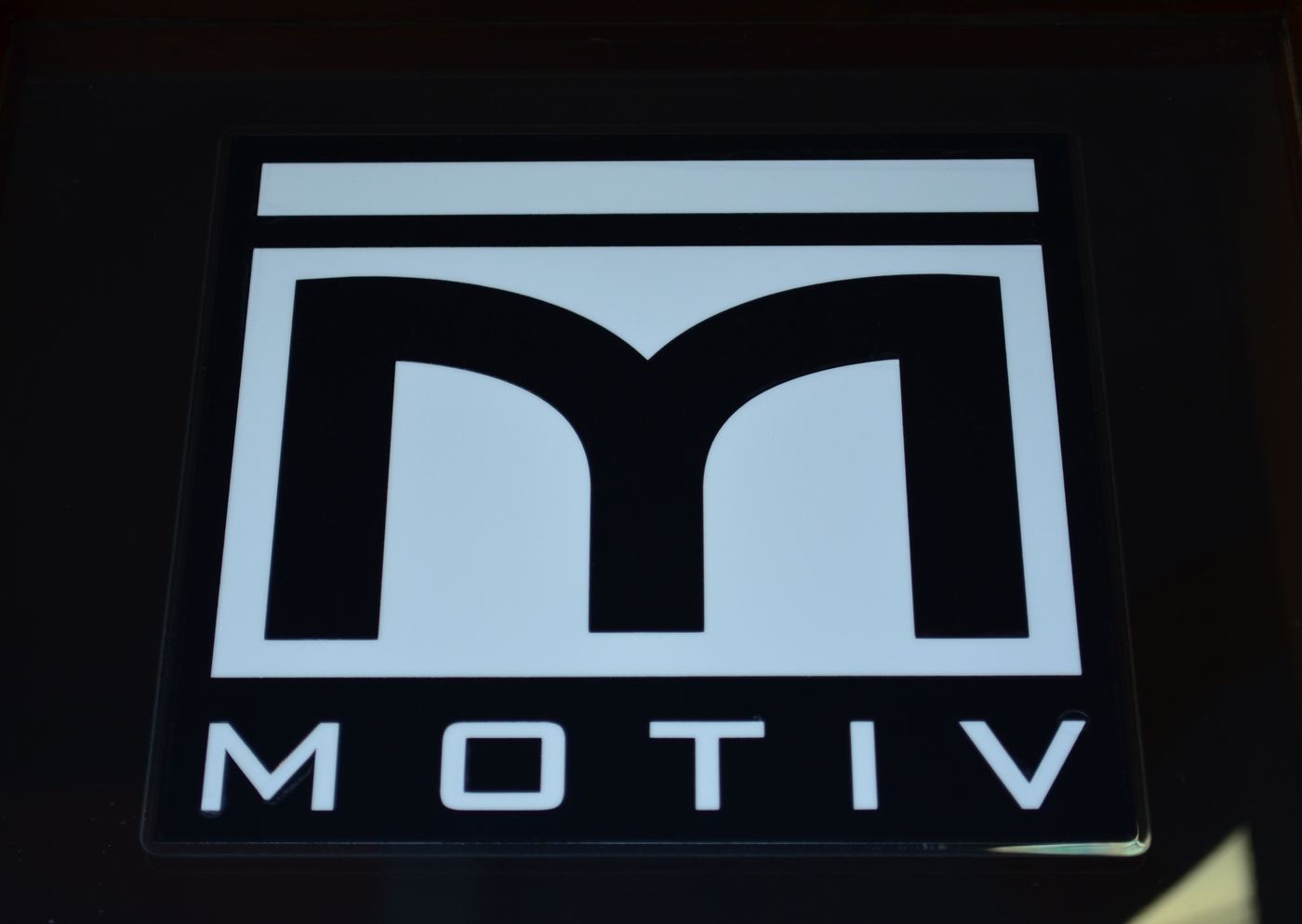
We held casting at a local club in Santa Cruz. What I remember is that nobody asked about the prize. Not when they applied, not between rounds, not after. John and I were in constant disbelief meeting with one contestant after another; not one asking what was in it for them. They were all happy to take time out of their week to meet us and explain why they were the right fit for the show. One contestant rented a car and drove down from San Francisco. Another came all the way from Santa Rosa. What they asked about, constantly, was the feedback. They wanted to know what the judges heard. They wanted the criticism, in detail, from people they thought were qualified to give it — and they wanted it more than they wanted to win.
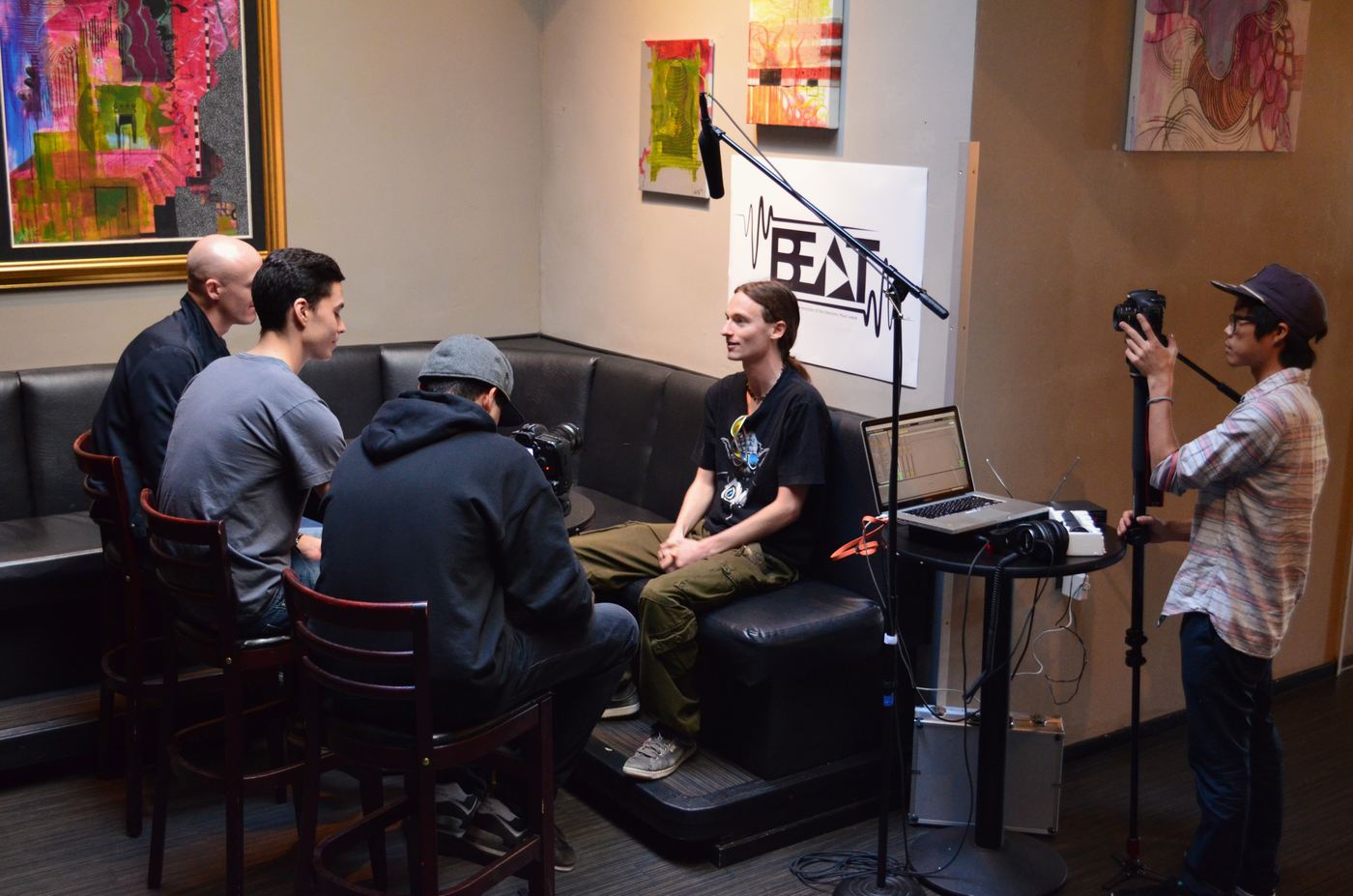
In hindsight, this was something I had taken for granted. I had spent four years in audio production school with my work under constant scrutiny. I had the privilege of pushing back on that scrutiny and collaborating with people with decades of experience beyond mine. I had forgotten what it was like to toil in the echo chamber of your own bedroom studio, constantly oscillating between self amusement and self doubt. Anybody who produces their own music knows this: It's very easy to impress yourself. It's somewhat easy to impress your friends. It's nearly impossible to find a source of truly objective feedback that hasn't been tainted by your preexisting relationship.
These were not people doing us a favor. They had driven in from around the Bay for a competition run by a stranger, for a show that did not exist, on the strength of a website and a manifesto. The two hundred dollars was not why.
I should have been delighted. Cheaper show, better story. Instead it bothered me, because it meant the show model I'd drawn up was pointed at the wrong thing.
The revenue plan was the standard one: product placement from gear manufacturers, live events, and a rights share in the music. All of it priced against the assumption that the prize pool was the draw — that a sponsor was buying their logo onto the thing people wanted. If the prize wasn't the draw, the sponsors weren't buying what I was selling them.
What the contestants had actually shown up for was harder to put on a rate card. They came to be taken seriously by people who knew what they were doing. Being selected was the product. Being criticized by a panel that understood the work was the product. I was not running a game show with a documentary around it. I was running a credential.
That's a fine thing to be running. It is a much harder thing to monetize in the way I'd planned, and at twenty-five I didn't know what to do with it.
I graduated school, the bills became real; I shelved the show and took a marketing job.
The same finding, twice more, with money behind it
I spent the next decade marketing to musicians and producers — plugin developers, then pro audio hardware, then the largest musical instrument retailer in the country. Different budgets, same audience: people who can tell the difference, and who have been marketed to badly for their entire lives.
At Universal Audio we launched free plugins with a capped giveaway — 6,176 licenses, gone in a rush — paired with a handful of creators breaking the news ahead of our own channels. The giveaway was the incentive and it worked. But the reason it worked was that the news arrived from someone the audience already believed, before the brand said anything. We had spent years treating reach as something you get lucky into with the right post & the right timing. It turned out to be something you build by partnering with people who had earned an audience honestly, and then measuring it properly enough to tell the difference between real acceleration and the number going up on its own.
Affiliate programs across retail share a failure mode: coupon sites and deal aggregators taking the last click in front of a customer who had already decided to buy. On paper they're the strongest performers in the channel. In practice it's a toll booth. At Guitar Center I cut ours, with senior leadership behind it, then spent the next couple of years rebuilding on partners who actually bring people in — reporting the revenue gap upward the entire time. The creator side has grown several times over since.
The move I'm most sure about, though, cost nothing. We put our CEO in front of the industry's most independent voices — including, twice, a critic who had spent years covering us unfavorably. No conditions on the questions. Every internal instinct said don't. It remains the most credible thing the company has done in public, for the same reason the contestants crowded the judges: an expert audience does not want to be flattered. They want to watch you get held to account by someone qualified to do it.
What it actually means
The useful version of this isn't "be authentic." Everyone says that, and it costs nothing to say.
The useful version is a test you can run on any channel you're funding. Ask what happens if you stop paying. If the partner, the placement, the program disappears the moment the incentive does, you were renting attention — which is a real thing to buy, but you should know that's what you bought, and you should stop calling the number it produces growth. If it survives, you built something.
The second test is harder and it's the one the contestants taught me. Ask whether your audience would trust the person delivering your message if you weren't paying them. For an expert audience, that's the whole transaction. They are not confused about who is being compensated. They have watched their favorite creators take the check and lose the thread. What they're looking for — and this is as true of a producer entering a competition as it is of a guitarist deciding where to spend nine hundred dollars — is someone who knows the work well enough to be honest about it, including about you.
That's expensive in a way that doesn't show up in a budget line. It means handing over editorial control you'd rather keep. It means cutting revenue that reports well. It means putting your CEO in a room with someone who doesn't like you.
I learned it from five strangers in a club in Santa Cruz who didn't want my two hundred dollars. It took me ten years and a lot of other people's money to believe it.
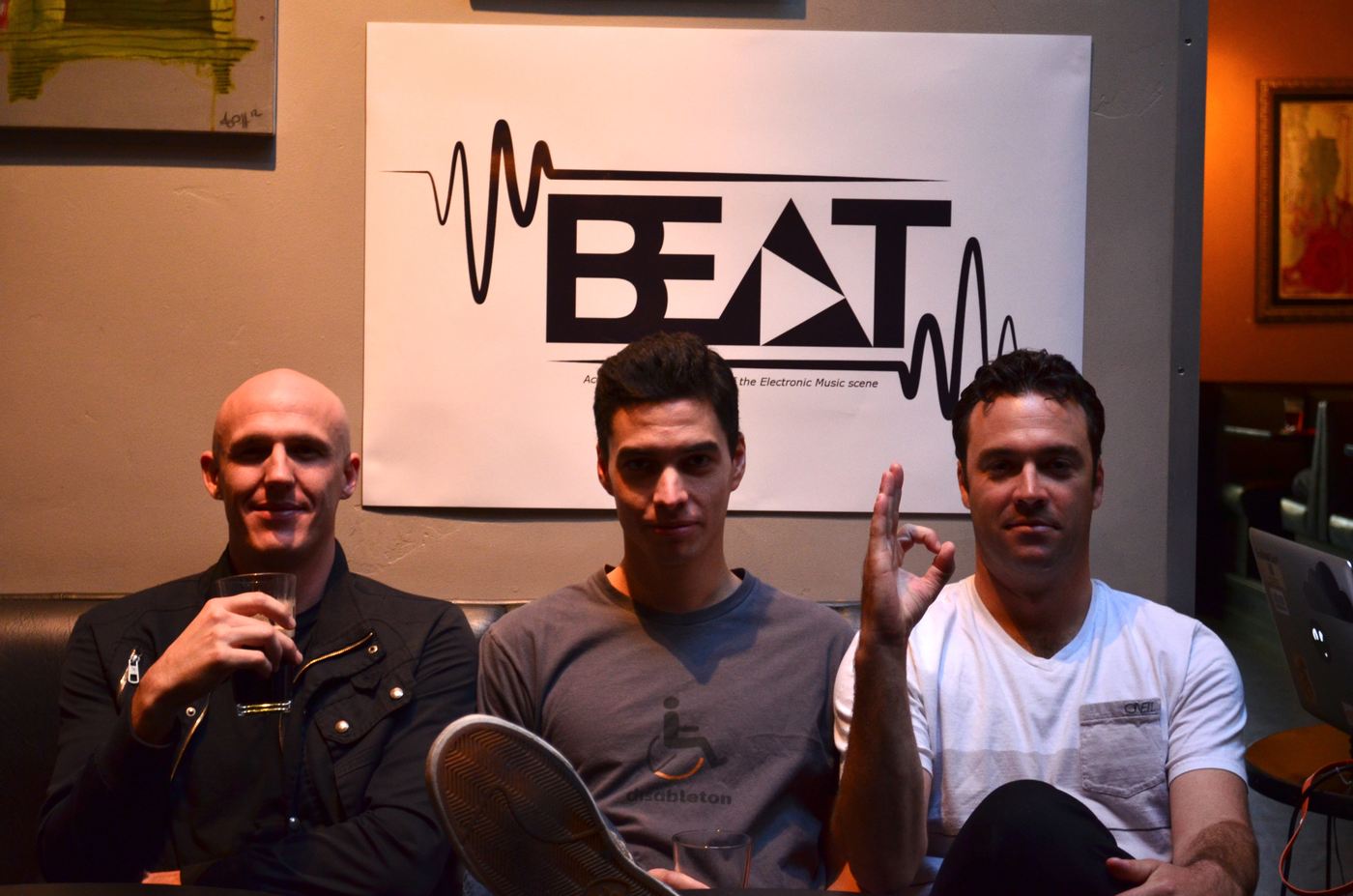
The show
BEAT was shot in 2014. You can watch the cinematic overview and the Phase 1 prototype episode, or read more about it in Selected work.
Photographs by Jen Buell-Buckley, 2014.